

Customer Education

0-to-1 Customer Education

Built Muck Rack's Customer Education function from scratch, including LMS strategy, curriculum design, and a multi-channel learning ecosystem that helped users reach value faster and reduced repetitive support load across the customer journey.

Enter password to view

Get in touch to request access

Building infrastructure for how customers learn

Company Muck Rack
Scope Customer Education
Role Manager, Customer Education
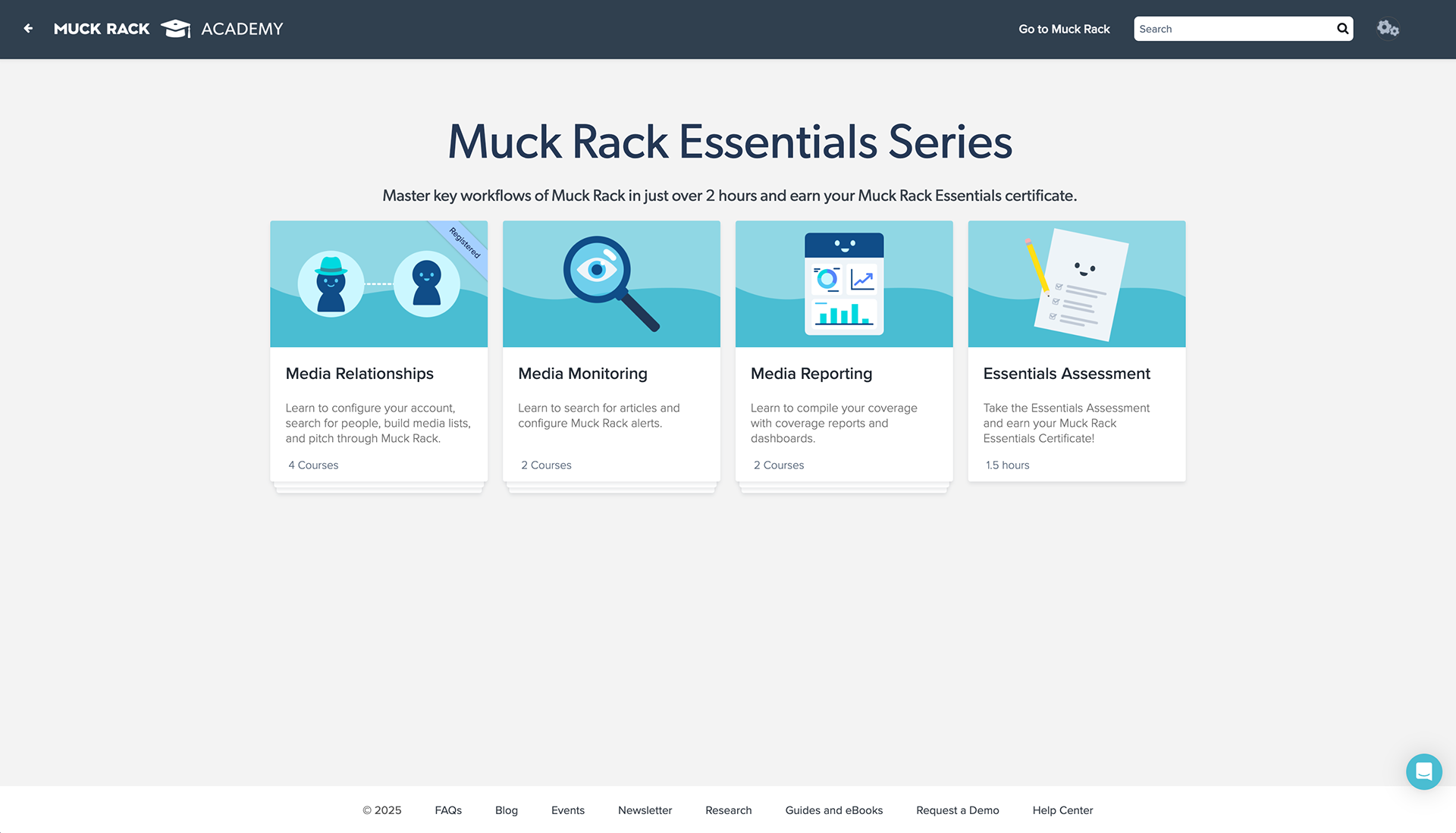
Essentials Curriculum overview

I led the design and development of Muck Rack's first formal customer education program, joining as the company's first Instructional Designer before eventually hiring for and leading the Customer Education team.

Rather than producing content for content's sake, the program was about creating the foundation for how customers learn the product, connect features to real workflows, and stay engaged over time. Everything that followed – the LMS, the curriculum, the multi-channel ecosystem – was built to support it.
01

No clear path to product value

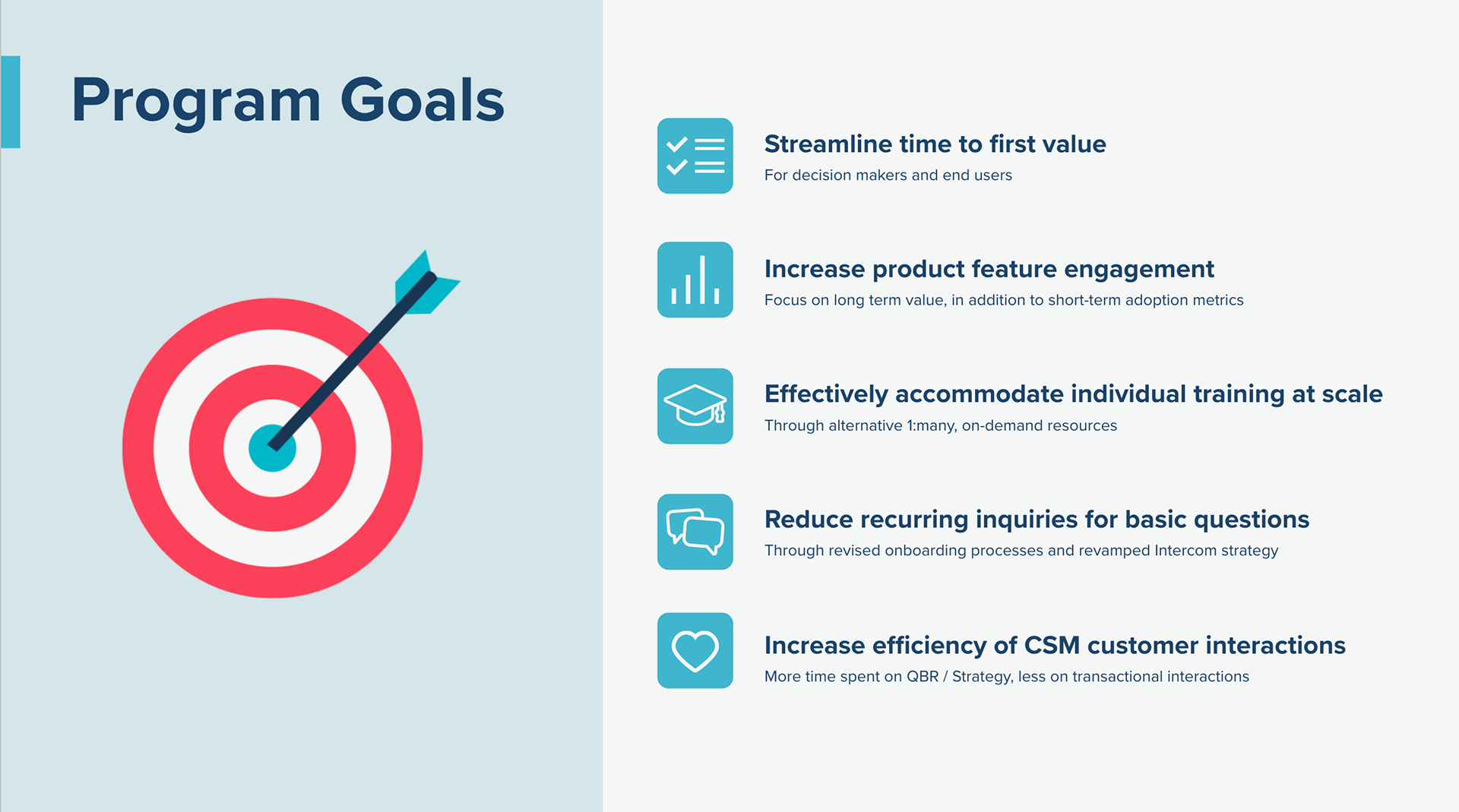
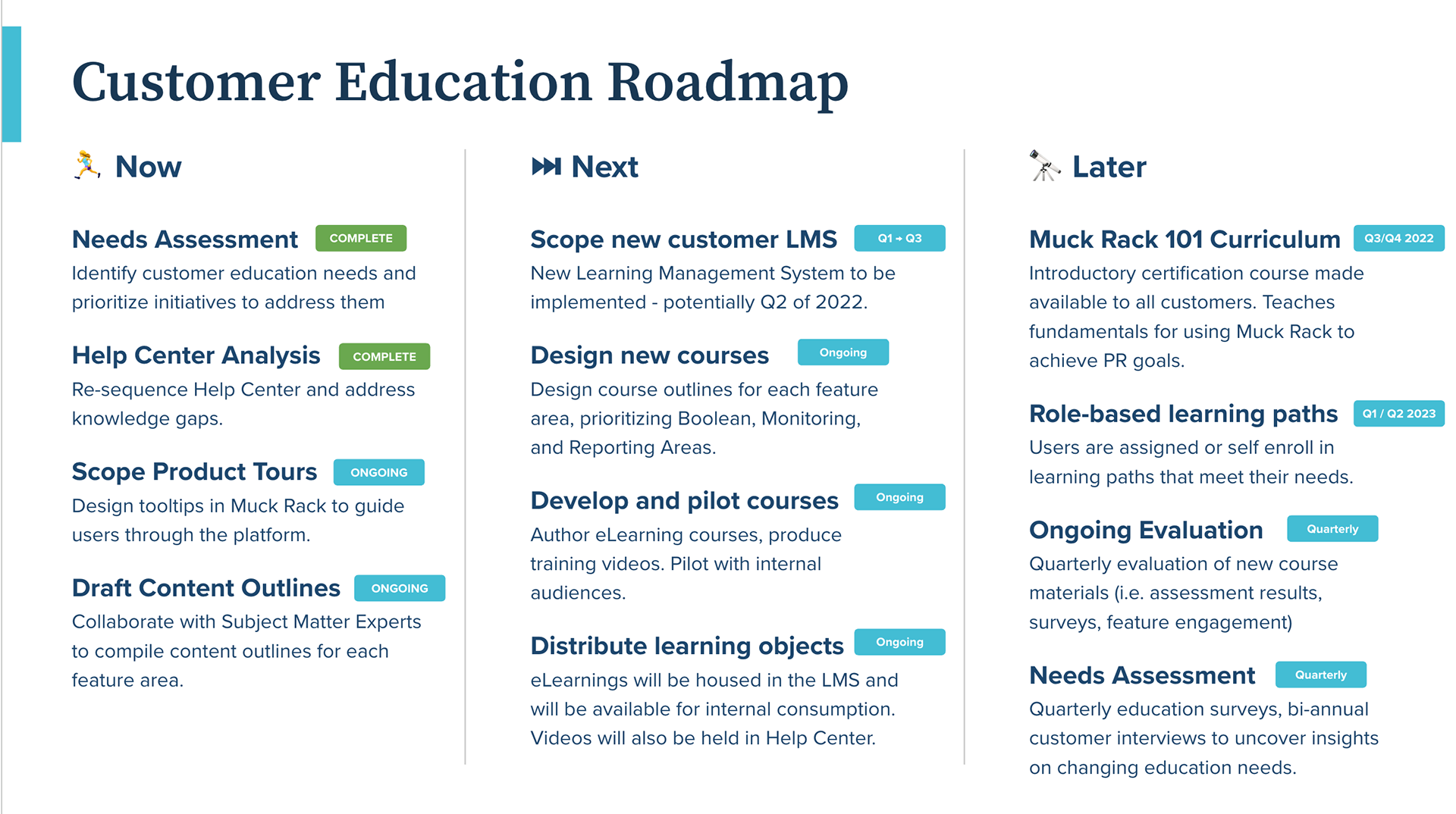
Program goals and success metrics Customer education roadmap

When new users arrived at Muck Rack, there was no structured path for learning the platform. Product knowledge was fragmented across help articles, CS conversations, and institutional memory. Customers who wanted to go deeper had nowhere to go, and those who struggled quietly churned without ever reaching the value the product was capable of delivering.

Meanwhile, Support and CS teams were absorbing a steady stream of repeatable questions that, with the right resources, didn't need to be asked at all.

The opportunity was clear: build a system that reduced learning friction, helped users reach value faster, and gave customers a way to grow their product fluency in a way they preferred best.

02

Grounded in real user behavior

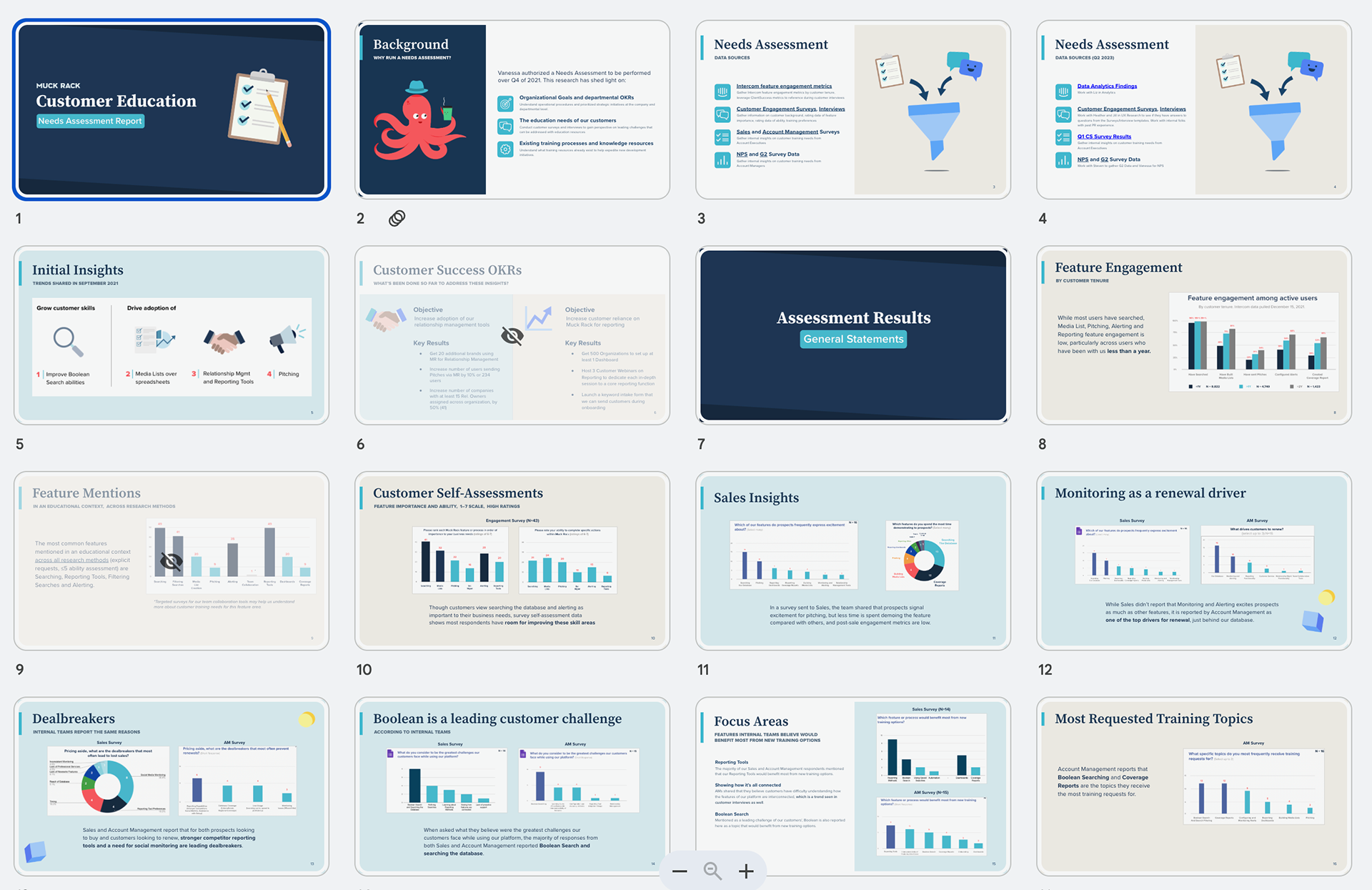
Needs analysis and research synthesis

Before building anything, I ran a comprehensive needs analysis, cross-referencing product usage data, support ticket patterns, and direct input from customers and internal teams. This surfaced not just what users didn't know, but where in the journey that knowledge gap was costing them most.

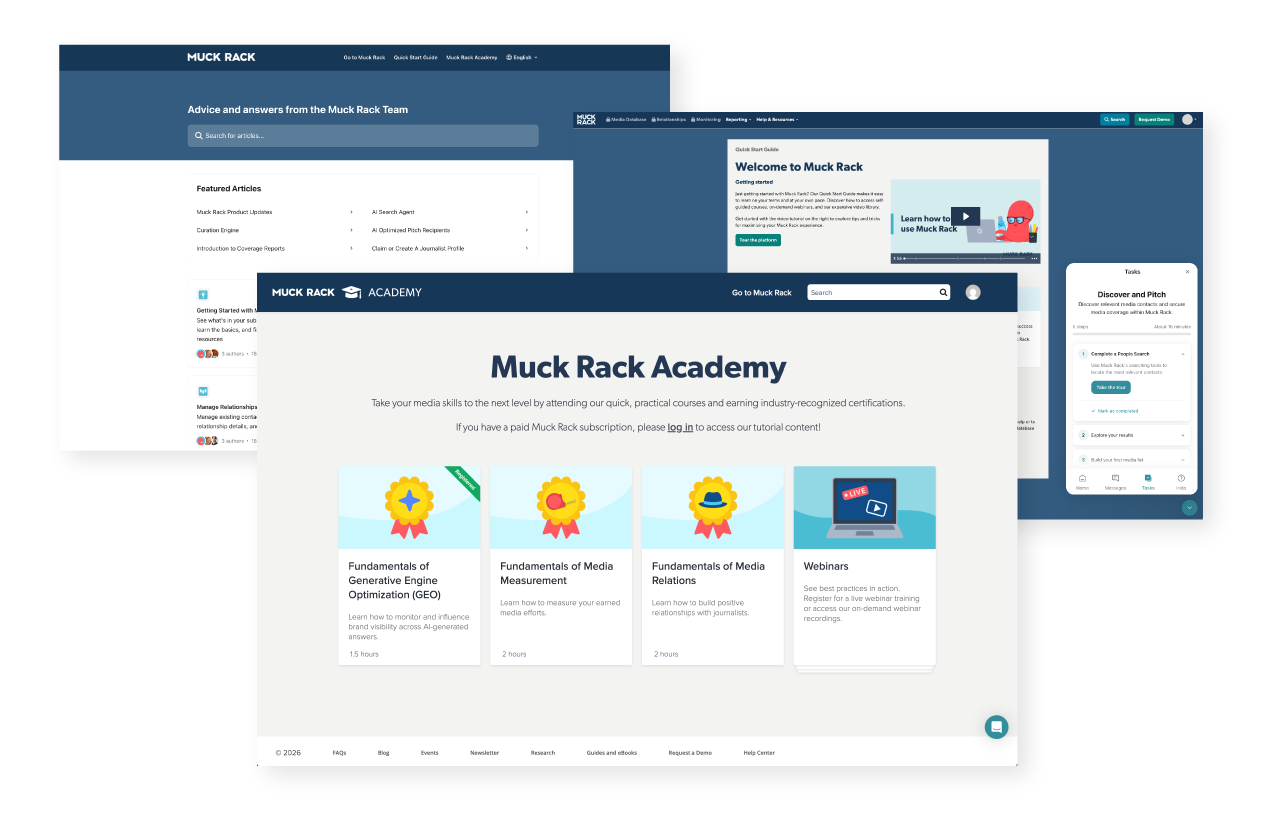
From those findings, I designed a learning system that integrated directly into the customer journey, not bolted on as an afterthought, but threaded through onboarding calls, email touchpoints, in-app performance support, and a self-serve Academy.

The curriculum was divided by role and customer segment (SMB, Mid-Market, Enterprise) to reflect the reality that a solo PR professional and an agency team lead have meaningfully different learning needs. The LMS (Skilljar) was selected, configured, and integrated with existing customer systems to connect course completion data to product engagement metrics, making the business case for education visible and measurable.

03

A foundation, not a course library

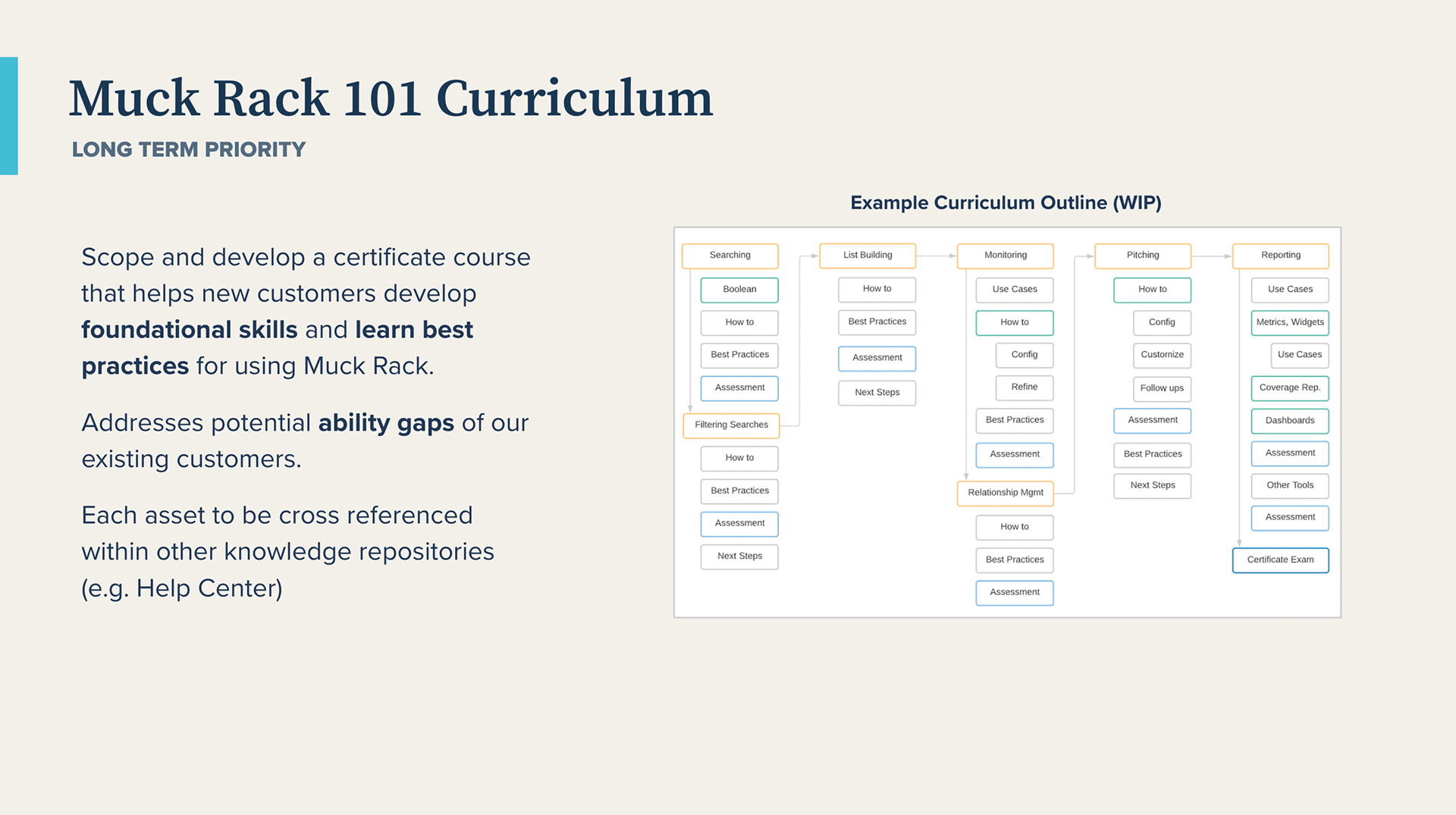
Curriculum architecture and course maps Cross-channel engagement strategy

Program Foundation
Customer education strategy and roadmap. Learning objectives mapped to product workflows. Instructional design standards and documentation.

Core Learning Experience
Essentials Curriculum — a multi-course, self-paced onboarding path with video tutorials, guided walkthroughs, and embedded assessments. LMS configuration and learning path architecture.

Ecosystem Integration
Embedded learning across onboarding touchpoints — email sequences, onboarding calls, in-product resources. Segmented experiences for SMB, Mid-Market, and Enterprise users. Alignment with CS and Customer Marketing workflows.

Expansion Strategy
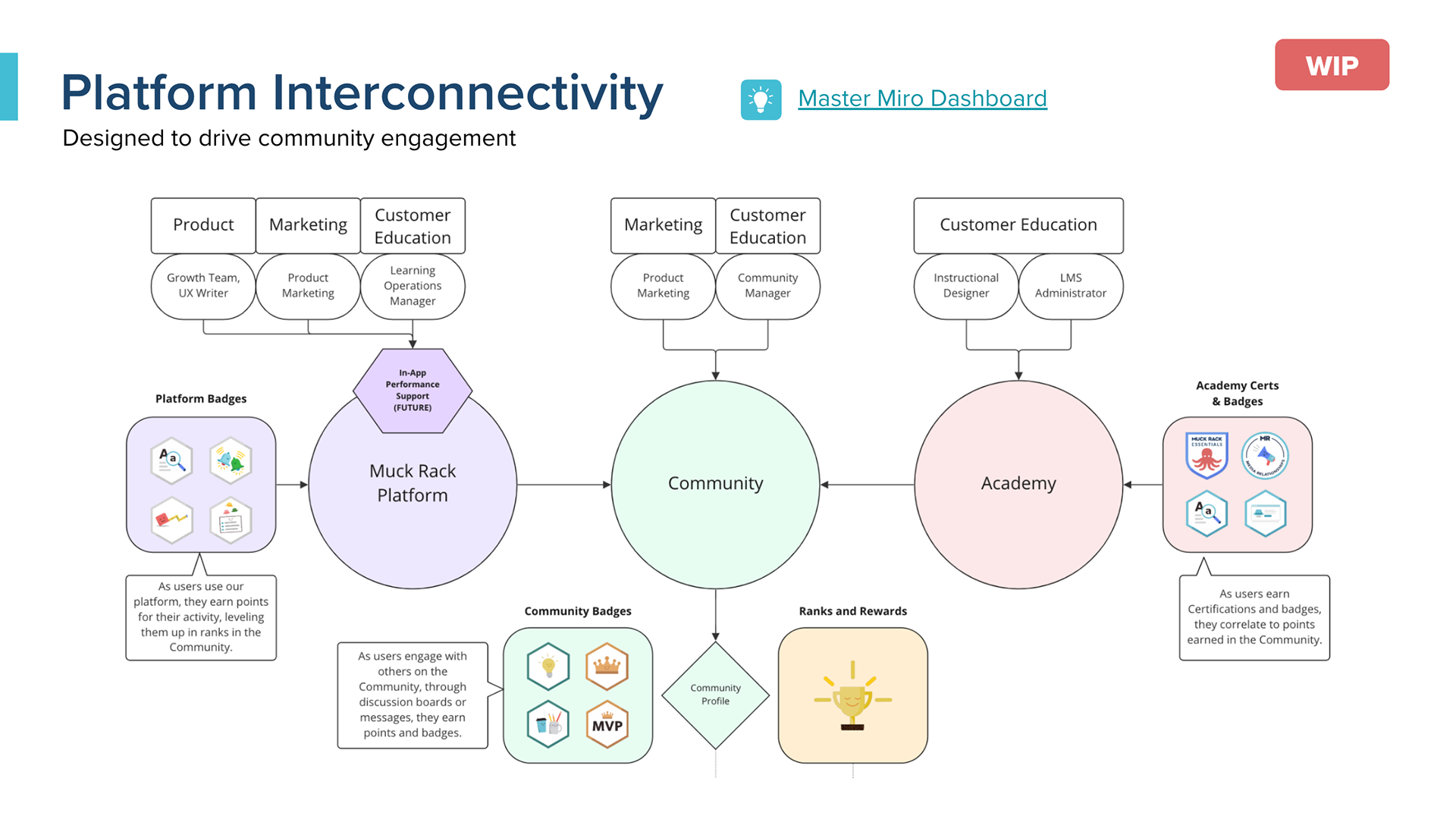
Early exploration of a cross-channel education system: in-app guidance, resource hubs, community integration, and federated search across learning surfaces.

Meeting users where they are

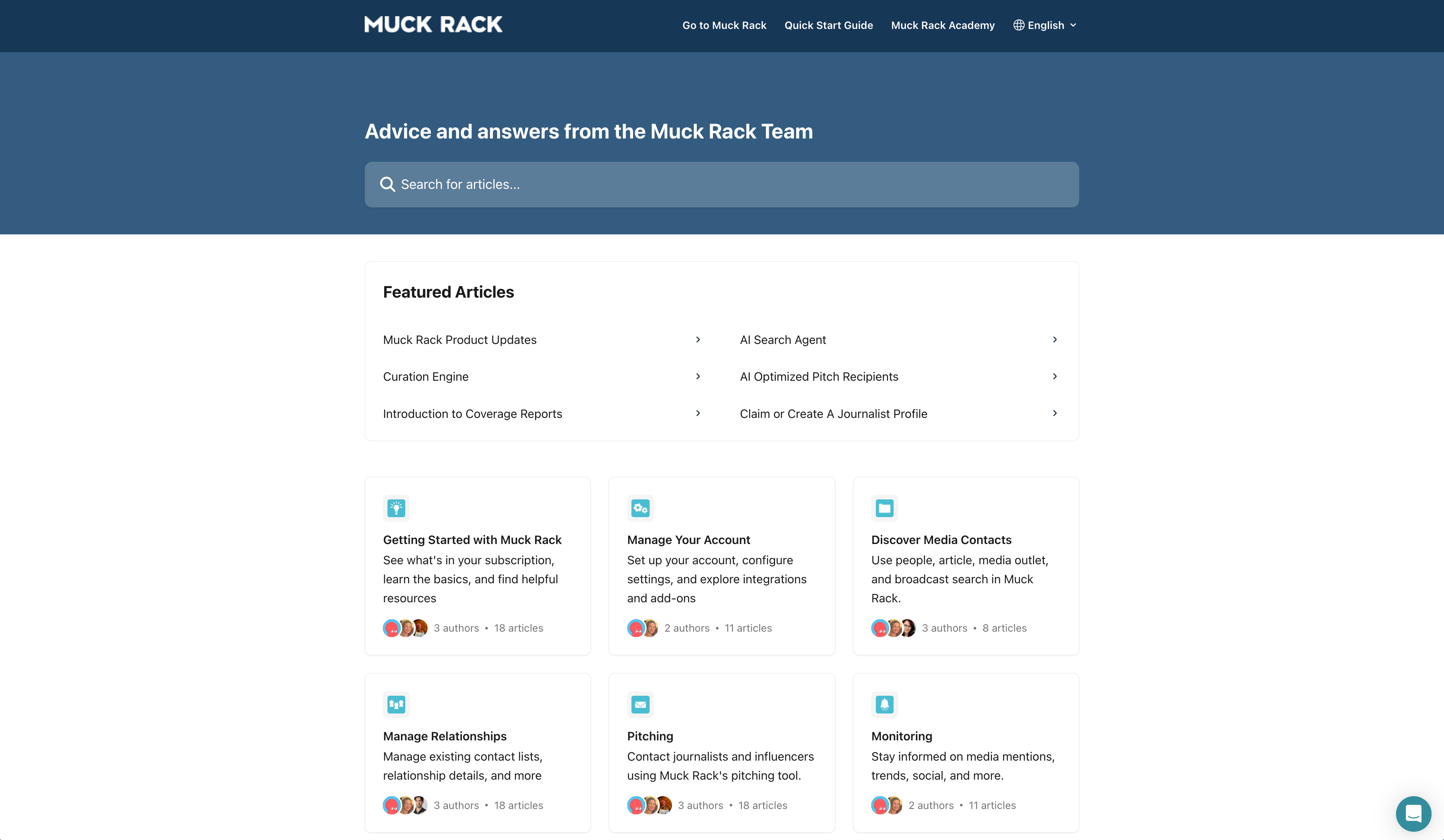
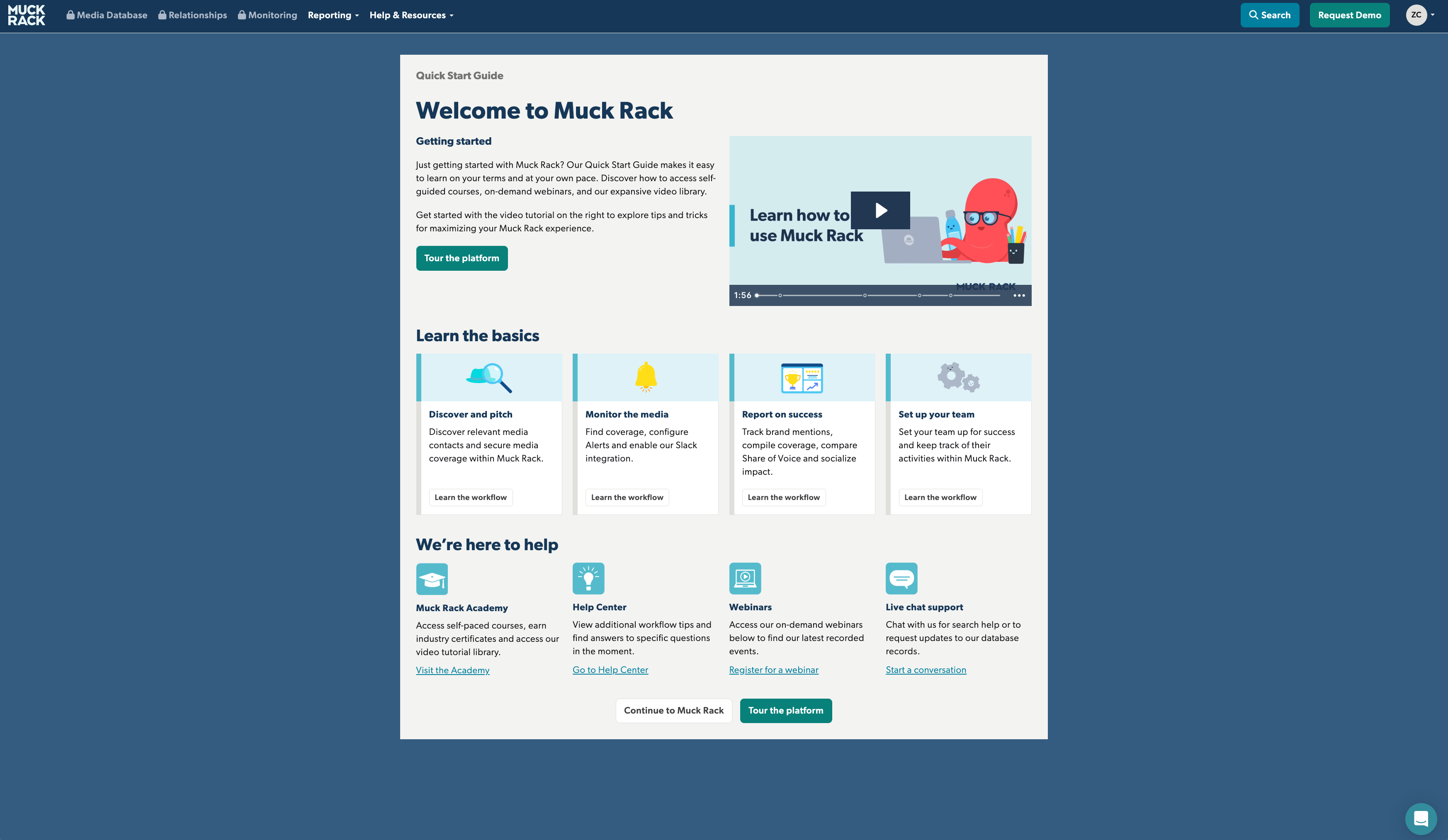
LMS experience and course interface In-product Help Center surfacing embedded resources at friction points Quick Start guide threaded into the onboarding experience

The system offered multiple ways in, depending on where a customer was in their journey:

Self-paced learning for users who wanted to go at their own pace — available on-demand, tied to their actual workflows.

Instructor-led sessions for higher-touch segments who benefited from live facilitation and real-time Q&A.

Embedded resources at friction points — in-app, in onboarding sequences, and in CS touchpoints — so help was available at the moment of need, not just in a separate help center.

Reinforcement across channels to keep learning accessible and continuous, not a one-time onboarding event.

Learning as product infrastructure

10x
More active days for engaged learners vs. non-engaged
2,000+
Certifications issued
9.2/10
Average course rating
30%
Increase in self-service resolution

Recognized with the Success in Practice award at Skilljar Connect 2022 as a model for how SaaS companies should build customer-facing education.

Education as infrastructure

I believe Customer education works best when it's not treated as content, but as infrastructure. This program established a scalable foundation for how users learn, adopt, and grow with the product, connecting onboarding, support, and ongoing engagement sequences into a single system.

Next case study
Architecting Change for GTM Teams

Get in touch

Or reach out on LinkedIn