GTM Enablement

Architecting Change

Built a multi-layered enablement system to support Muck Rack's first major pricing transformation in over a decade, aligning 120+ members of GTM across Sales, CS, and Support to sell and retain with confidence in a new packaging model.

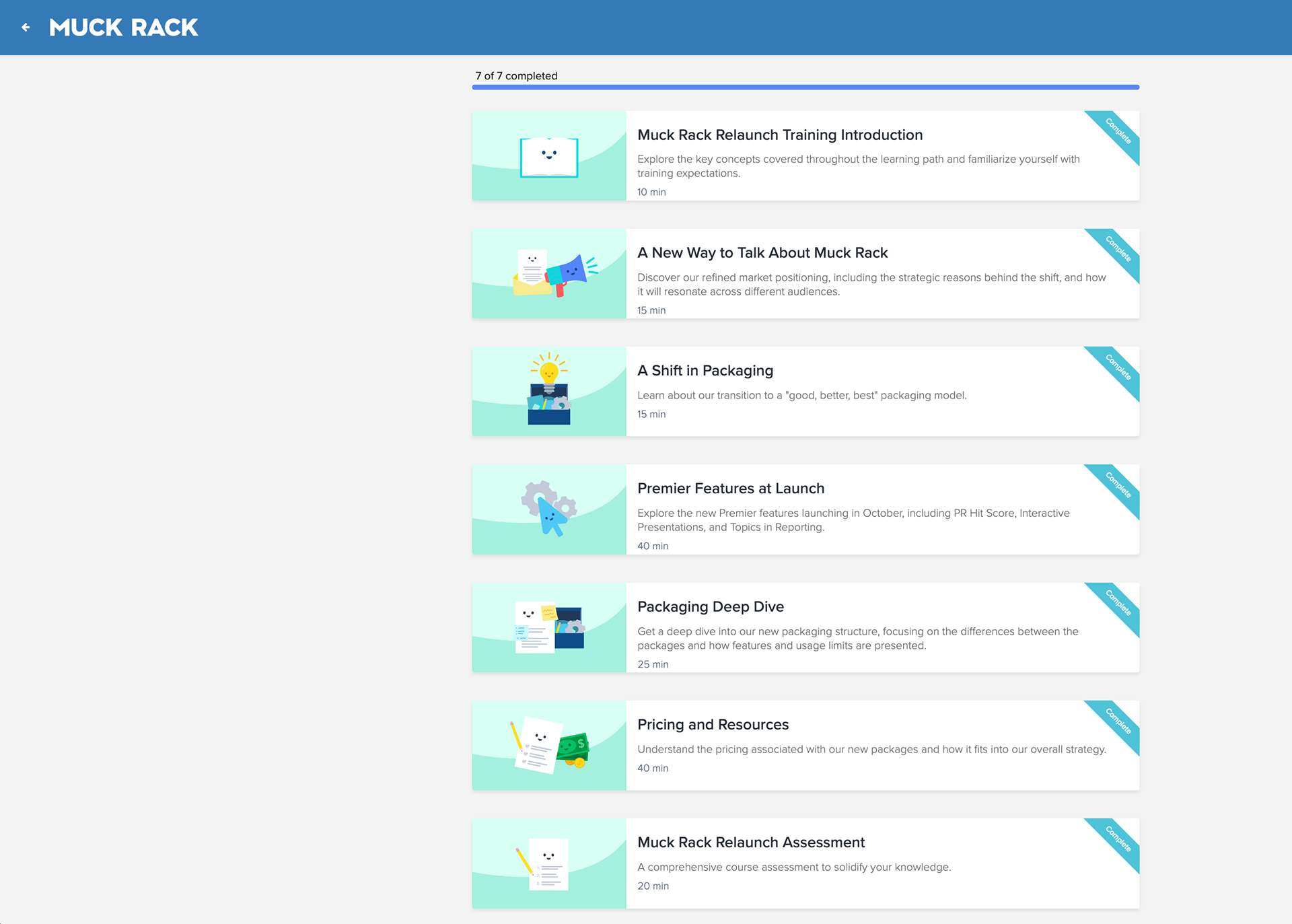
Enter password to view

Get in touch to request access

Designing a system for behavior change

Company Muck Rack
Scope GTM Enablement
Role Learning Design Lead
Pricing and Packaging program overview

When Muck Rack faced its first significant pricing and packaging update in over ten years, the Enablement team partnered with collaborators across Sales, Customer Success, and Product to design a series of learning experiences and resources that equipped go-to-market teams with the clarity and confidence to sell the new model effectively.

This wasn't a one-time training rollout. It was a coordinated enablement ecosystem designed to drive consistency, adoption, and measurable performance impact.

01

A complex shift with real revenue implications

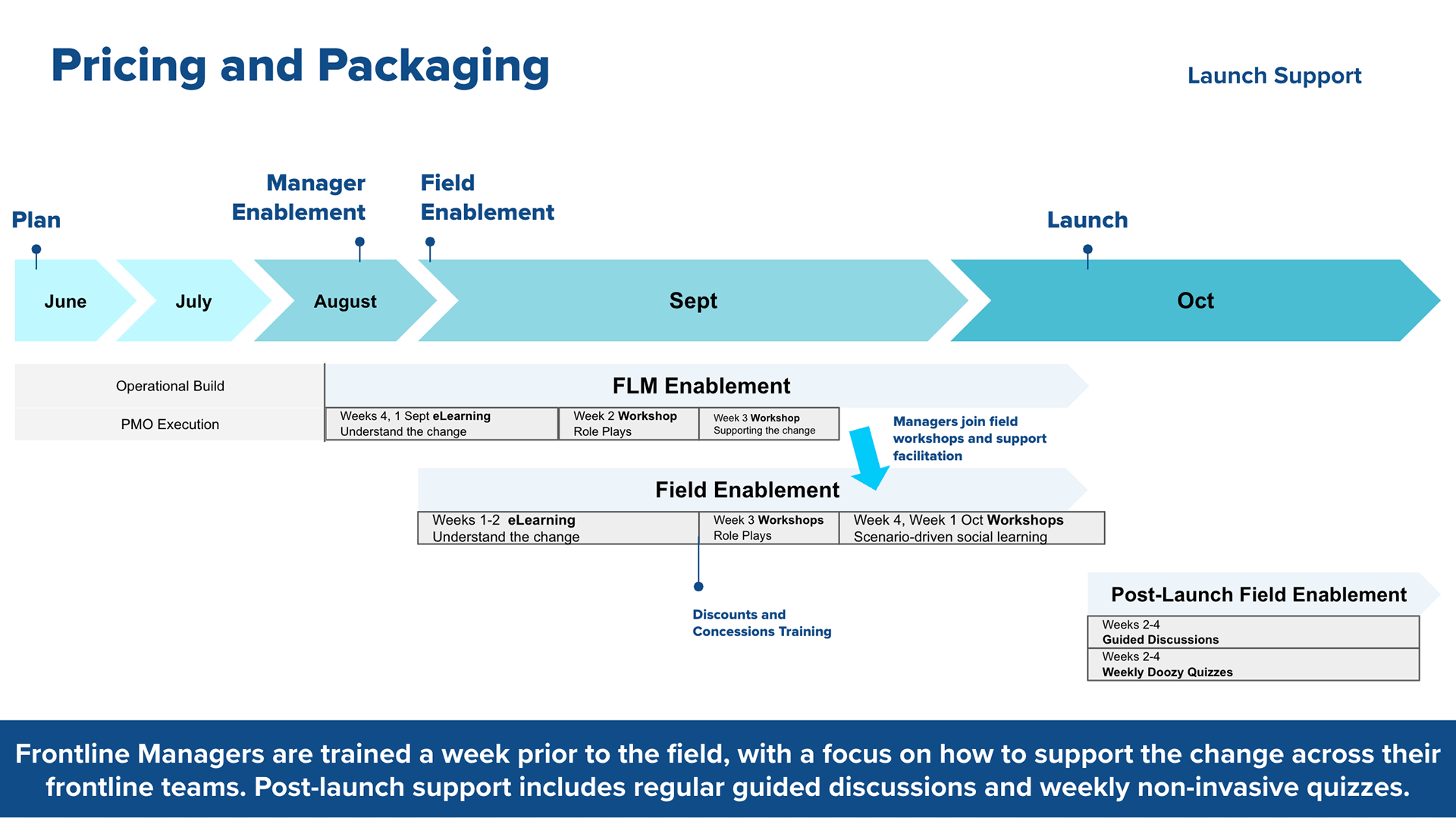
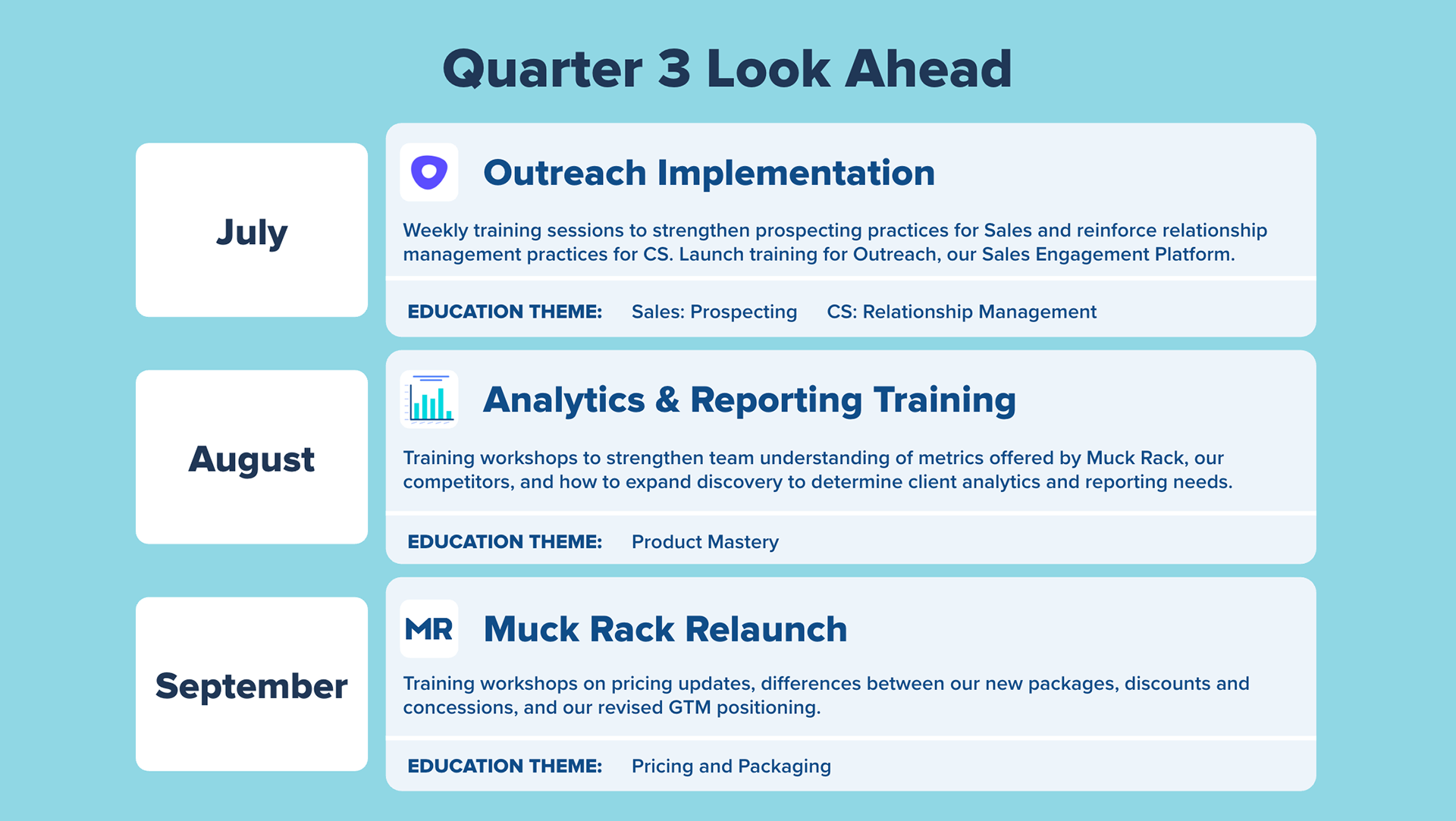
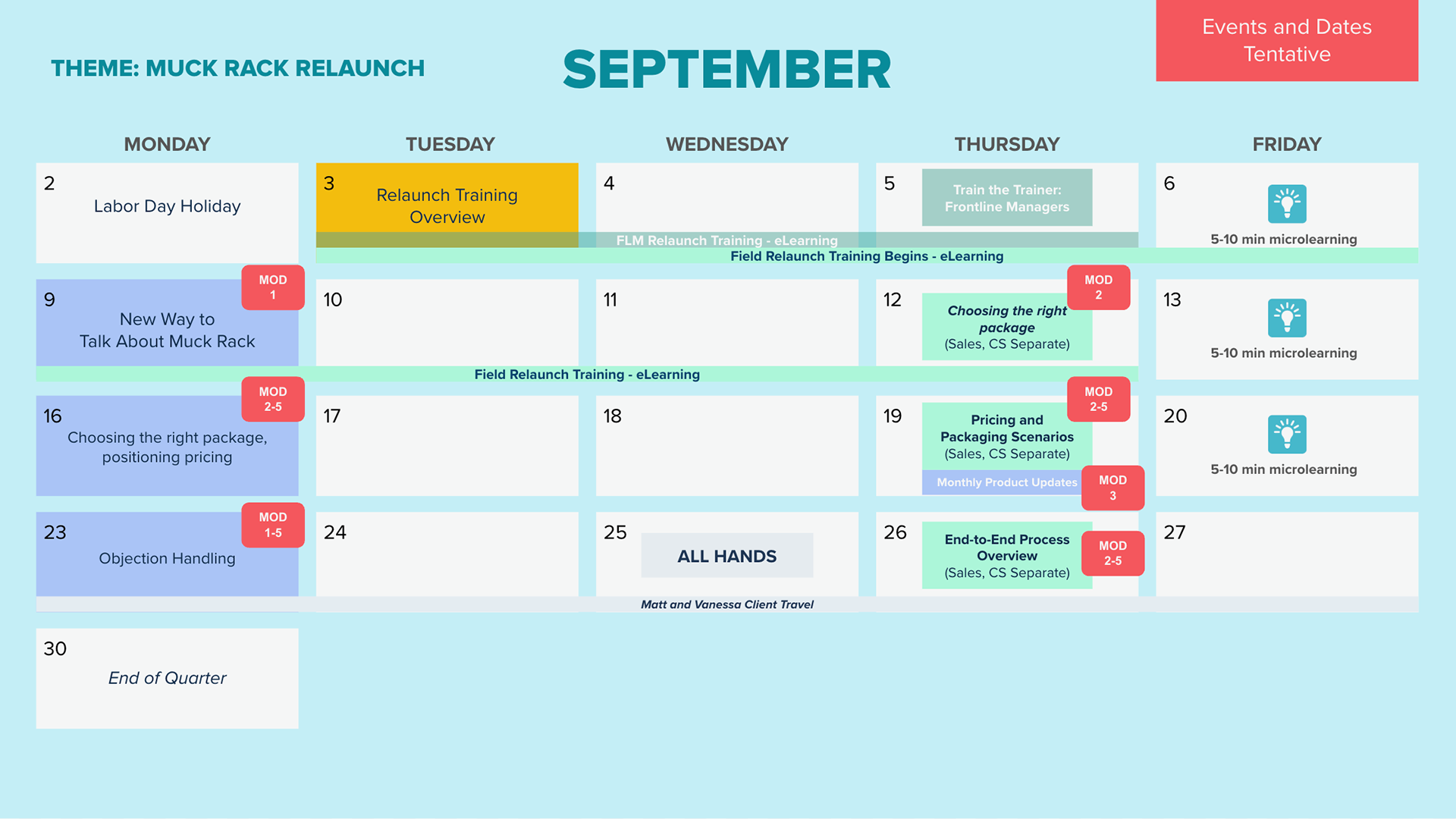
Rollout roadmap and sequencing plan Quarterly enablement calendar

When Muck Rack introduced its most significant pricing and packaging changes in over ten years, the risk wasn't just confusion — it was revenue. Reps needed to understand not just what changed, but how to position it, handle objections, and close deals in a new commercial model. And they needed to do all of that as a fully distributed, remote-first GTM team without the luxury of in-person reinforcement.

The challenges were layered: inconsistent baseline understanding of packaging logic across roles, a phased rollout that had to stay in lockstep with product launch milestones, and frontline managers who needed to reinforce behaviors they hadn't yet fully internalized themselves.

The goal wasn't just awareness — it was repeatable execution in live deals.

02

A multi-layered learning system

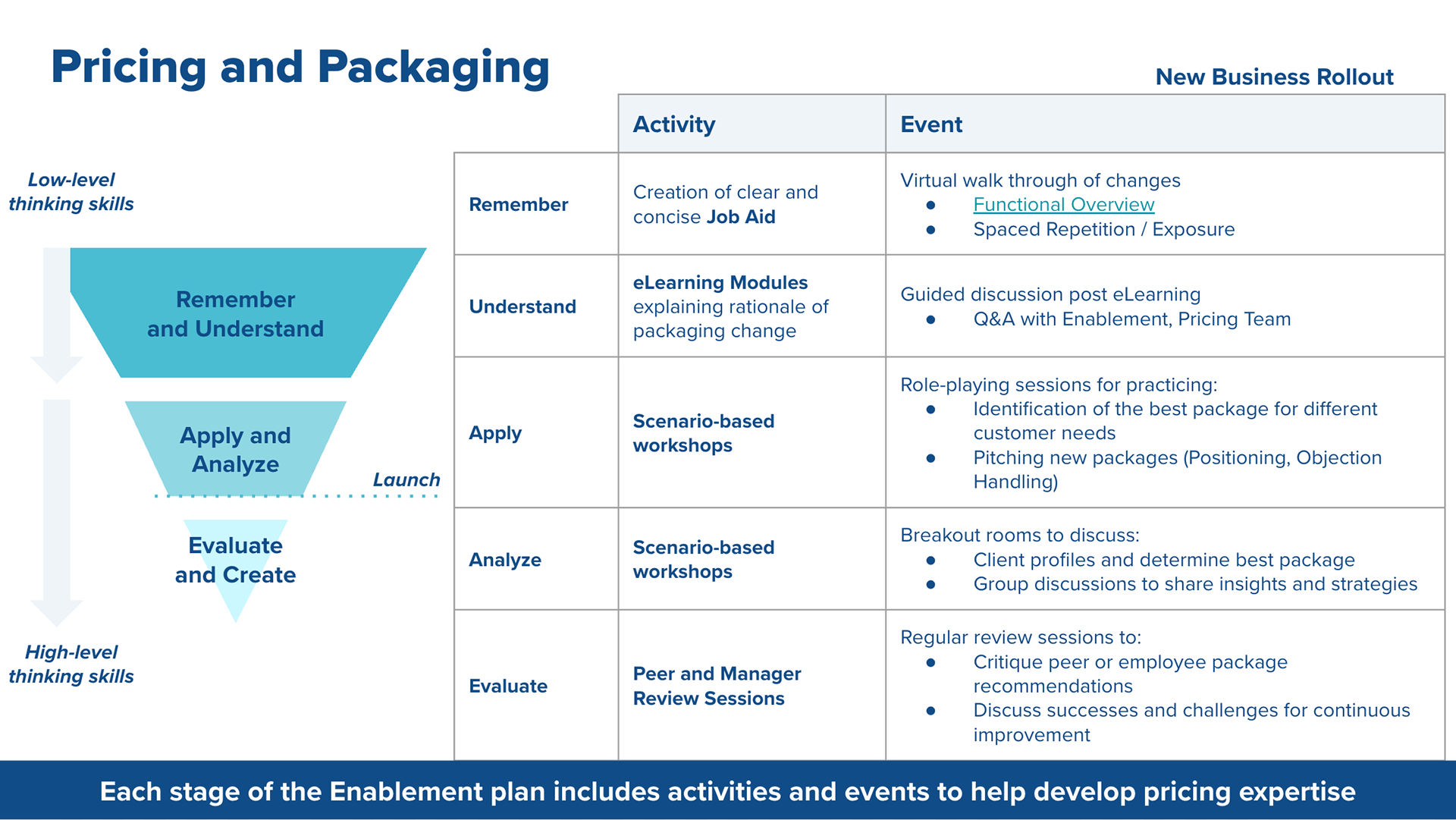
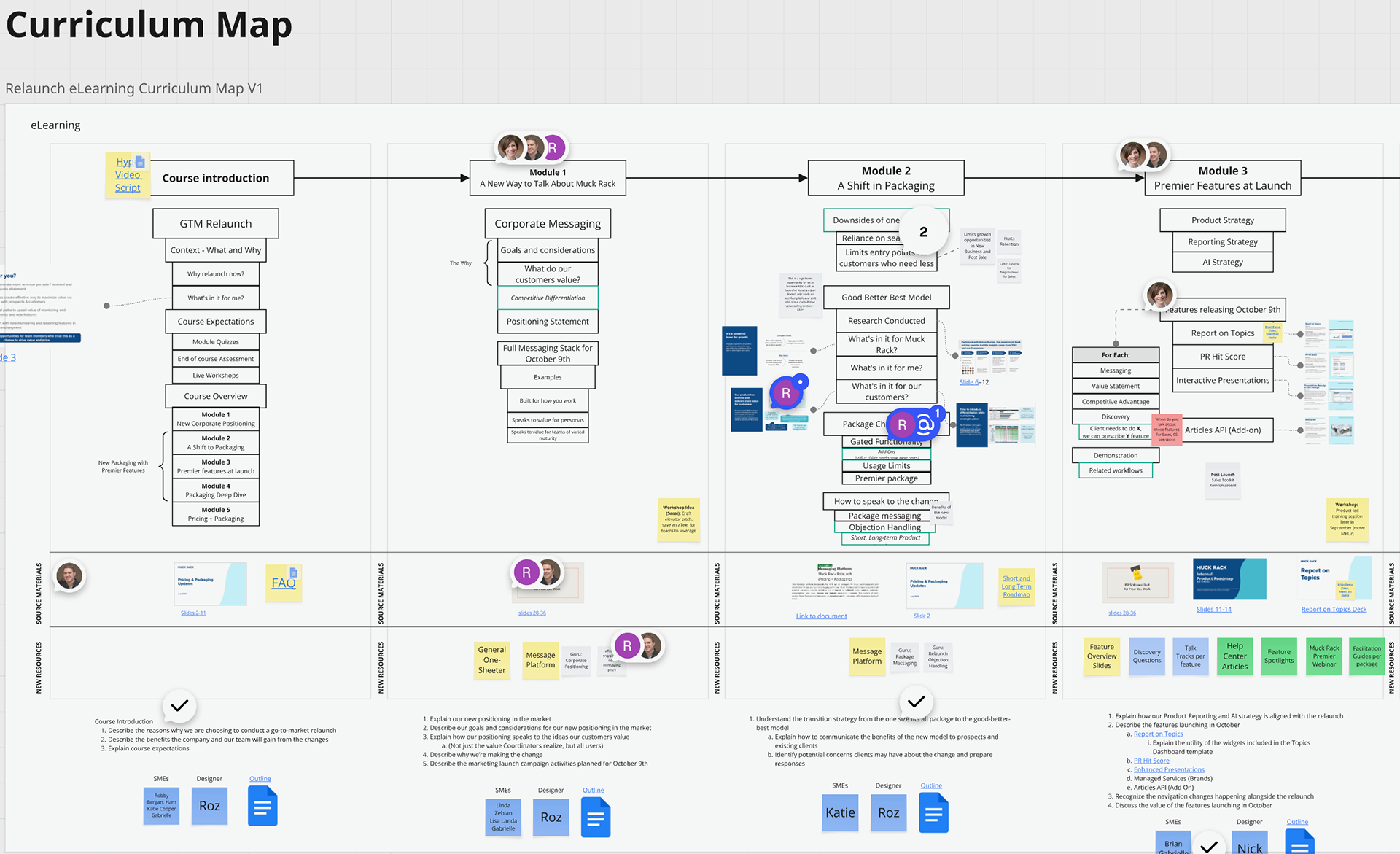
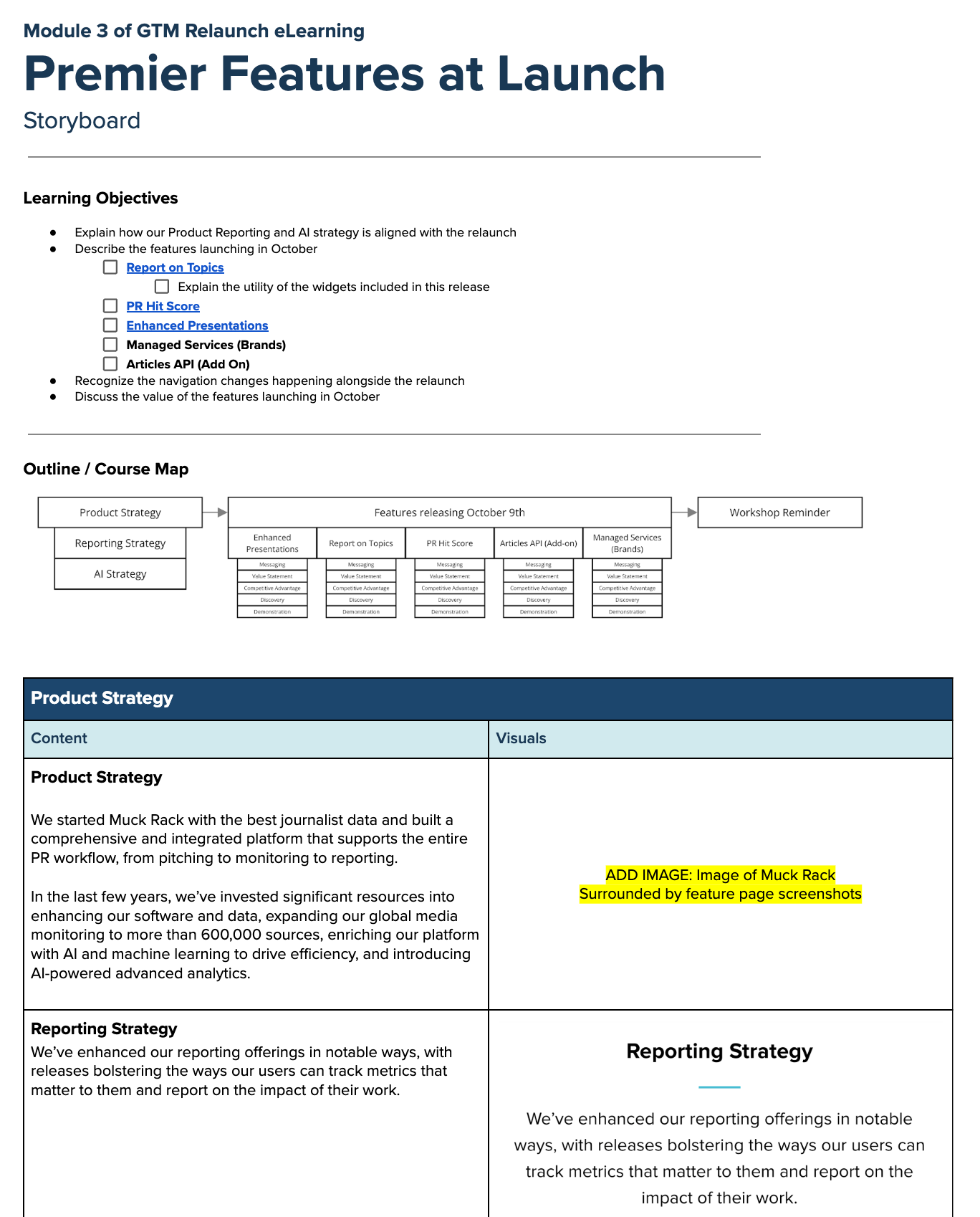
Learning strategy and assessment design Curriculum maps and content architecture

I designed an enablement system around how people actually build capability on the job — not in a single training event, but progressively, over time and across contexts.

That meant a blended model: eLearning to build baseline knowledge, live sessions for applied practice, and manager-facing resources so coaching could happen in the field, not just in formal training. Pathways were role-differentiated across SDRs, AEs, CSMs, and Support, and the sequencing was deliberate — structured to build mental models before asking reps to apply them in real conversations.

Early visibility was a priority. Teams were brought into the narrative ahead of the quarter so the launch didn't feel like a surprise. Manager enablement included coaching guides and discussion frameworks tied to specific deal scenarios.

03

Artifacts of an enablement system

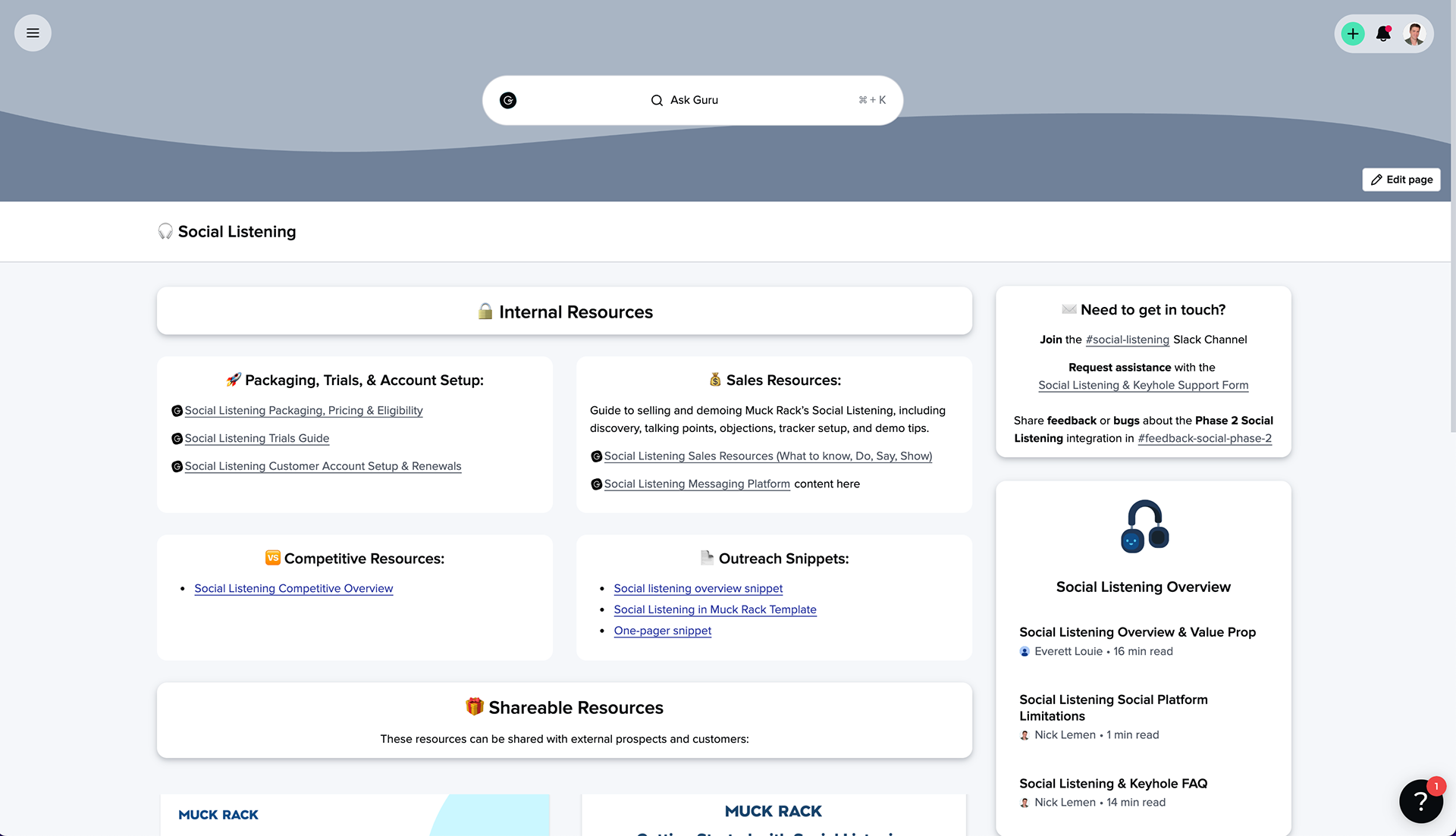
eLearning modules and certification flows Storyboards and course production artifacts Internal resource hub

The system began with an end-to-end rollout strategy tied to product launch milestones, with curriculum architecture mapped against learning objectives and clear business goals. From that foundation, I designed a modular eLearning certification program paired with live workshops and scenario-based practice sessions; train-the-trainer sessions extended that capability to frontline managers so they could lead reinforcement in the field.

Reinforcement and adoption were built into the system from the start. Coaching frameworks, discussion guides, office hours, and ongoing support structures kept the work alive past launch, and knowledge retrieval strategies were threaded through to improve long-term retention rather than relying on a single high-intensity training moment.

Underneath all of it sat the production layer: storyboards, course maps, and curriculum documentation, plus AI-assisted workflows that accelerated development without sacrificing quality. A visual design and content system kept every artifact clear, consistent, and on-brand at scale.
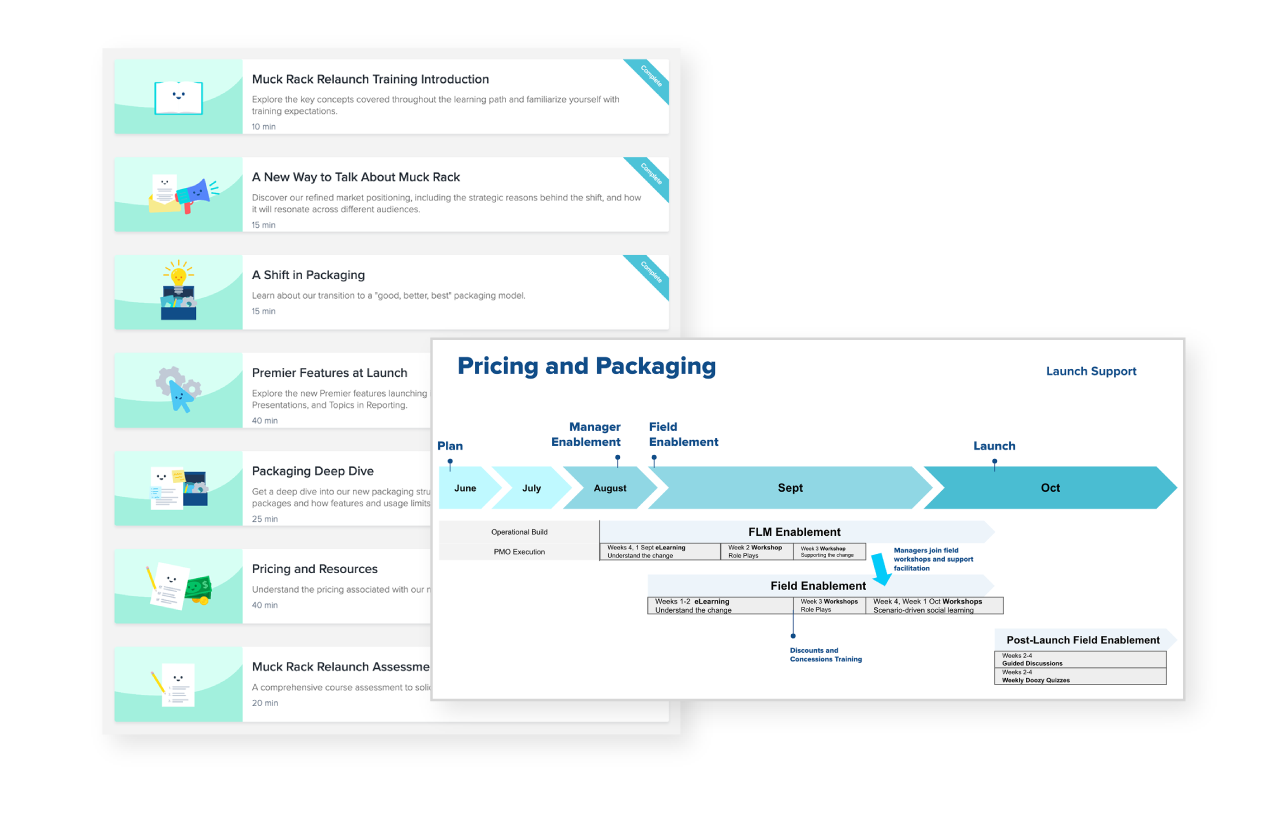

A sequence, not a single event

Phased rollout timeline across pre-launch, launch, and post-launch

Before launch, the focus was on awareness and mental model building — helping teams internalize why the change was happening and what it meant for their customer conversations. At launch, the focus shifted to applied practice through structured scenarios, role-plays, and live sessions that gave reps the reps they needed before real deals were on the line. After launch, reinforcement and coaching took over: manager guides, office hours, and ongoing support sustained behavior change well past the initial rollout window.

Each layer built on the previous one. By the time teams were in live conversations, the training wasn't something they were recalling — it was something they were ready to apply in practice.

Turning a complex change into an executable motion

+15%
Increase in average deal size in the new packaging model
Higher attach rates for Premium tier quarter-over-quarter
Expanded upsell opportunity generation across CS-managed accounts
120+
GTM team members enabled across a fully distributed org

GTM teams moved from uncertainty to confident execution across a fully distributed org — without a single in-person training day.

Enablement as a system, not an event

Behavior change at scale isn't a training problem — it's a sequencing and reinforcement problem. The work here landed because awareness, applied practice, and post-launch coaching were treated as connected layers of a single system, not isolated programs that happened to share a calendar.

Next case study
Developing an Industry-First Certification

Get in touch

Or reach out on LinkedIn